
Factors Influencing FOB Price of Bulk Insulated Water Bottles & Cost - Optimization Strategies
In the booming market of insulated water bottles, businesses and buyers aiming for bulk purchases often focus on the FOB (Free on Board) price—a key metric that determines the cost up to the port of shipment. Understanding the drivers behind FOB pricing and implementing smart cost - optimization tactics can significantly enhance your procurement efficiency and bottom line. Let’s break down the critical factors and actionable solutions, with insights tailored for partners of Paiter Flask.
Key Factors Influencing FOB Price of Bulk Insulated Water Bottles
1. Raw Materials
The core components of insulated water bottles—such as stainless steel (for the inner/outer shell), food - grade plastics (for lids or accessories), and insulation materials (like vacuum - sealed layers or foam)—directly impact costs. Market fluctuations (e.g., nickel prices affecting stainless steel costs) or supply chain disruptions (e.g., resin shortages for plastics) can drive up raw material expenses, which are passed on to the FOB price.
2. Order Quantity
Volume is a major lever: larger bulk orders reduce unit - level fixed costs (e.g., mold fees, design setup costs) and unlock supplier discounts. For example, a 10,000 - unit order might have a lower per - bottle cost than a 1,000 - unit order, as production efficiency (and economies of scale) improve with higher volumes.
3. Design Complexity
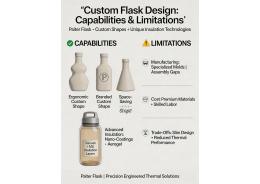
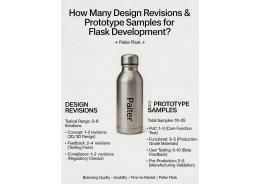
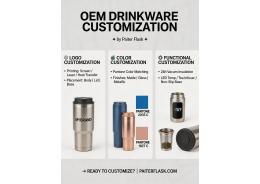
Customization—from unique shapes (e.g., ergonomic curves) to special features (tea infusers, multi - lid systems) or branding (laser engraving, full - color printing)—adds costs. Complex designs require more expensive molds, longer production times, and specialized labor, all of which increase the FOB price.
4. Transportation & Logistics
FOB pricing includes costs to get goods to the port of shipment. Factors like distance from the factory to the port, transport mode (truck vs. rail), freight seasonality (e.g., peak shipping periods like Q4), and port fees (handling, documentation) all influence the final price. Delays or inefficiencies in logistics can also raise costs.
5. Certification & Compliance
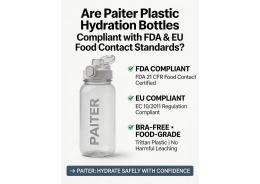
Entering global markets requires product certifications (e.g., FDA for US food contact, CE for the EU, SGS testing). Certification fees, testing time, and compliance with regional regulations (e.g., BPA - free requirements) add to the FOB cost, especially for first - time market entry.
6. Supplier’s Production Capacity & Efficiency
Suppliers with optimized production processes (like Paiter Flask) reduce costs through lean manufacturing, lower waste rates, and faster turnaround times. A supplier’s ability to scale production without compromising quality directly impacts FOB pricing.
Cost - Optimization Strategies for Bulk Insulated Water Bottles
1. Leverage Bulk Ordering
Negotiate with suppliers for volume - based discounts. Committing to larger, long - term orders (e.g., annual contracts) can secure lower per - unit costs and stabilize pricing (e.g., locking in rates to avoid raw material fluctuations).
2. Simplify Design (When Possible)
Opt for standardized designs or minor customizations (e.g., logo printing vs. full - scale shape changes) to reduce mold and production costs. Use the supplier’s existing product templates (e.g., Paiter Flask’s core insulated bottle models) to avoid expensive design overhauls.
3. Partner for Long - Term Relationships
Build a partnership with a reliable supplier (like Paiter Flask) to gain benefits like priority production, better payment terms (e.g., extended credit), and shared cost - saving initiatives (e.g., joint logistics optimization).
4. Optimize Logistics
- Plan shipments during off - peak seasons to avoid freight surcharges.
- Consolidate orders with other buyers (if feasible) to share shipping costs.
- Work with the supplier’s preferred logistics partners (Paiter Flask likely has vetted carriers) for discounted rates.
5. Reuse or Streamline Certifications
If entering multiple markets, reuse existing certifications (e.g., FDA approval for both US and Canadian sales) or choose a supplier with pre - certified products (Paiter Flask’s bottles may already meet key global standards) to avoid repeated testing costs.
6. Negotiate Proactively
Discuss price breakdowns (e.g., raw materials, labor, logistics) with the supplier to identify areas for savings. Negotiate terms like partial prepayment (to reduce supplier risk and secure discounts) or flexible delivery schedules (to align with your cash flow).
Conclusion
The FOB price of bulk insulated water bottles is shaped by a mix of raw materials, order volume, design, logistics, certifications, and supplier efficiency. By strategically addressing these factors—such as scaling orders, simplifying designs, and partnering with efficient suppliers like Paiter Flask—you can optimize costs while maintaining product quality. For businesses, this balance is key to staying competitive in the global insulated bottle market.

 English
 German
 French
 Russian
 Spanish
 Japanese
 Korean
 Portuguese
 Ukrainian
 Arabic
 Italian


